

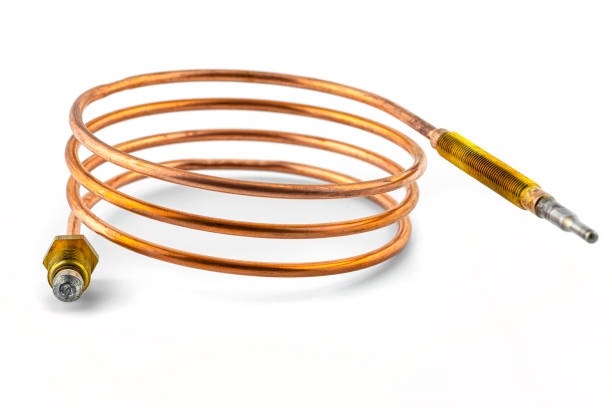
Heating equipment goes through repeated temperature changes during startup, production, and shutdown. These cycles may seem like a normal part of operation, but they gradually affect the materials inside temperature sensors. Over time, thermal cycling can change how thermocouples respond to heat, shorten their service life, and cause measurement errors that are difficult to notice at first.
Repeated Heating and Cooling Put Stress on Sensor Materials
Metal expands as it heats and contracts as it cools. Inside a thermocouple, the sensing wires, protective sheath, and insulating materials may expand at different rates. Repeated movement places mechanical stress on these components, especially when equipment experiences large or sudden temperature changes.
Over hundreds or thousands of cycles, this stress can weaken connections or damage internal insulation. Thin sensing wires may become more vulnerable to fatigue, while rigid assemblies can develop problems where materials meet. The rate of heating and cooling matters too. Rapid temperature swings generally create greater stress than gradual changes across the same temperature range.
How Thermal Cycling Causes Temperature Readings to Drift
A thermocouple generates a small voltage based on the temperature difference between its measuring junction and reference connection. Its accuracy depends on the condition and composition of the sensing wires. Repeated exposure to high temperatures can change those materials through oxidation, contamination, and other metallurgical changes.
These changes may alter the voltage produced at a given temperature, causing measurement drift. The controller might continue displaying a stable reading even though the actual process temperature has changed. This makes gradual drift particularly troublesome in manufacturing processes that depend on consistent heat. Periodic checks against a calibrated reference can help identify sensors that no longer meet the required accuracy.
Protective Sheaths Can Develop Damage From Temperature Swings
A protective sheath shields the sensing wires from direct contact with process materials, moisture, and mechanical damage. However, the sheath itself experiences expansion and contraction during thermal cycling. Repeated stress can eventually contribute to cracking, deformation, or failure, particularly near welded joints and mounting points.
Different sheath materials handle thermal cycling differently. Stainless steel performs well in many industrial environments, but high temperatures, corrosive conditions, and rapid cooling may require other alloys. Selecting a sheath based only on its maximum temperature rating overlooks how it behaves during repeated heating and cooling.
Why Some Thermocouple Types Last Longer Than Others
Type J and Type K thermocouples use different metal combinations, which affect their resistance to heat-related deterioration. Type J contains an iron conductor that can oxidize at elevated temperatures, especially when exposed to oxygen. Type K uses nickel-based alloys that generally tolerate higher temperatures and oxidizing environments more effectively. Neither type is immune to thermal cycling damage. Temperature extremes, atmospheric conditions, and changes in material composition can affect their long-term stability. Equipment operators should consider the complete operating cycle, including cooling periods and temperature spikes, rather than selecting a sensor solely by its normal working temperature.
Can Installation Conditions Make Thermal Cycling Damage Worse?
Poor installation can increase the stress that temperature sensors experience during operation. A tightly constrained probe may have limited room to expand, while excessive vibration can add mechanical strain to already stressed components. Repeated movement near fittings or cable connections can eventually weaken the assembly.
Mounting arrangements should provide secure contact without placing unnecessary force on the probe. Appropriate insertion depth, compatible fittings, and suitable cable support can reduce avoidable damage. Equipment designers should also account for differences in expansion between the probe and the surrounding machine parts, particularly in systems with frequent temperature changes.
Warning Signs That a Thermocouple Is Wearing Out
Thermal cycling damage does not always cause immediate sensor failure. Early signs may include slow response, unexpected temperature fluctuations, or readings that differ from nearby measurement points. Intermittent faults during heating or cooling can also indicate damaged wires or connections. Maintenance teams can investigate these problems by checking probe condition, cable continuity, and temperature readings against a suitable reference instrument. Recording sensor replacements and operating cycles may reveal patterns linked to premature failure. Facilities can then adjust maintenance schedules or select more appropriate probe constructions.
Industrial heating systems that experience frequent temperature changes may need sensors designed around their operating conditions rather than basic temperature ratings. Thermal Corporation manufactures thermocouples and related temperature sensing components in different probe configurations for industrial machinery. Its range of sensor designs, protective constructions, and mounting options gives equipment manufacturers and maintenance teams a way to assess suitable replacements for applications where repeated heating and cooling affect sensor performance.