

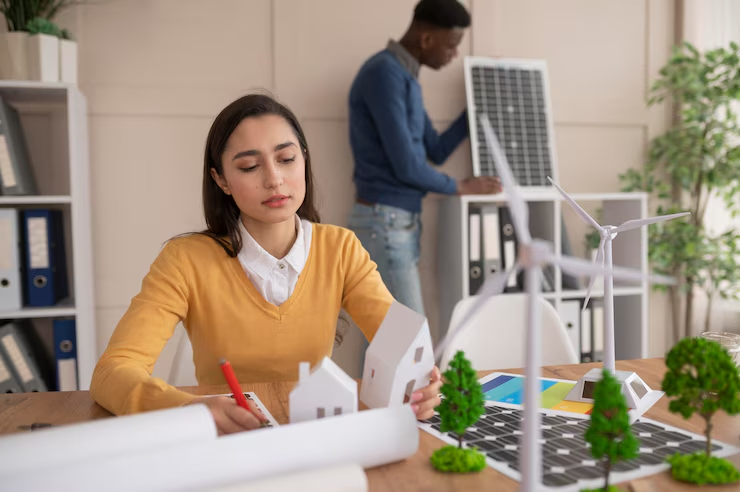
Energy efficiency is more than just a catchphrase these days; it’s essential for lowering your carbon footprint, saving money, and improving the comfort of your house. Increasing the energy efficiency of your house may save a lot of money on electricity costs, increase the value of your home, and support environmental sustainability.
Energy-efficient home modifications are a wise investment, regardless of whether you’re a homeowner wishing to enhance your living area or just trying to reduce your monthly costs. The best improvements and tactics to save expenses, lessen energy use, and raise the general efficiency of your house will be discussed in this post.
Why Make an Investment in Energy-Saving Home Upgrades?
Before beginning any particular improvements, it’s critical to comprehend the advantages of energy efficiency:
Reduced Utility Bills: Insulation and energy-efficient equipment save money on power, heating, and cooling.
Enhanced Home Value: Both buyers and appraisers are drawn to energy-efficient homes.
Increased Comfort: Windows and improved insulation help to maintain a stable temperature inside.
Impact on the environment: Lower energy use results in lower greenhouse gas emissions.
Eligibility for Incentives: A lot of utilities and governments provide tax credits, refunds, or other incentives.
Keeping these benefits in mind, let’s examine the top energy-saving house upgrades you may do.
1. Switch to Windows with Energy Efficiency
One of the main places in a house where heat may escape is via windows. Your comfort and energy savings may be significantly increased by upgrading your windows.
What to Search for:
Double or triple glazing: Insulation is improved by having many panes filled with gases like argon.
Low-E Coatings: These coatings block heat in the summer and reflect it back into the space in the winter.
Appropriate Sealing: Drafts are avoided by caulking and weather stripping windows.
Windows with an Energy Star rating adhere to stringent energy efficiency requirements.
Benefits: By stopping heat transmission, heating and cooling expenses may be decreased.
Reduce drafts and enhance comfort levels inside.
Boost natural light levels without compromising energy conservation.
Cost vs. Savings: Although replacing windows may be costly at first, energy-efficient windows eventually pay for themselves by reducing heating and cooling costs by 12–15%.
2. Upgrade Insulation in Your Home
One of the most economical strategies to cut down on energy waste is insulation. Warm air is kept outside in the summer and within in the winter by proper insulation.
Important Places to Insulate:
Attic: Insulating the attic may stop a lot of heat loss since heat rises.
Walls: Insulating walls during retrofits or restorations increases thermal efficiency.
Basements and floors: Cold drafts are lessened by insulating floors over crawl spaces or unheated areas.
Ductwork: HVAC efficiency is increased by sealing and insulating ducts.
Insulation Types:
Fiberglass batt: widely available and reasonably priced.
Although more expensive, spray foam offers better sealing.
Insulating existing walls or attics with blown-in insulation is a good idea.
ROI: According to Energy Star, homeowners may reduce their heating and cooling expenses by up to 20% by upgrading their insulation.
3. Set up a thermostat that can be programmed.
You may minimize energy loss while you’re sleeping or gone by using a programmable thermostat to automatically regulate the heating and cooling schedule in your house.
Qualities to Take Into Account:
Wi-Fi connectivity: Use smartphone applications to control remotely.
Some thermostats have the ability to learn your routine and make necessary adjustments.
Zoned heating allows you to independently control the temperature in various areas of your house.
Advantages: Don’t heat or cool a vacant home.
Reduce energy use without compromising comfort.
may save heating and cooling costs by up to 10% a year.
The Nest Learning Thermostat is a popular model.
SmartThermostat Ecobee
The Honeywell Home T9
4. Switch to Energy-Saving Devices
Energy consumption of older appliances is often higher than that of newer versions. Making the switch to Energy Star-rated appliances lowers power use without compromising functionality.
Appliances to Think About: Air conditioners
Dryers and Washing Machines
Dishwashers
Heaters for Water
Benefits: Less water and energy use.
enhanced features and a longer lifetime.
Possible tax credits and rebates.
Energy Star Savings: Compared to ordinary models, Energy Star appliances consume 10–50% less water and energy, which results in considerable utility savings.
5. Make the switch to LED lighting
A significant amount of your power expenditure may be related to lighting. Making the switch to LED lightbulbs is a simple and efficient method of cutting energy use.
Why LEDs?
Reduce energy use by up to 75% compared to incandescent bulbs.
last 15–25 times longer.
Make sure the light is bright and of good quality.
Reduce heat production to increase cooling effectiveness.
Transition Advice: Change lightbulbs in high-traffic areas first.
To save even more money, use smart lighting controls.
For outdoor lighting, think about using timers or motion sensors.
6. Close Off Drafts and Air Leaks
Your HVAC system will have to work harder if gaps and cracks around doors, windows, and vents are not sealed.
How to Spot Leaks: Use a candle flame or your palm to feel for drafts.
For a comprehensive evaluation, use a blower door test, which is often carried out by experts.
Examine the door sweeps and weather stripping.
How to Fix It: Cover windows and doors with weather stripping.
Seal baseboards, ceilings, and wall cracks with caulking.
To close gaps under doors, install door sweeps.
Impact: Up to 20% less money might be spent on heating and cooling when leaks are sealed.
7. Make an Improvement to Your HVAC System
In the majority of houses, HVAC (heating, ventilation, and air conditioning) systems consume a significant amount of energy. You may drastically reduce your energy expenses by switching to a high-efficiency HVAC system.
What to Search for:
Energy Star Rating: Approved systems fulfill efficiency requirements.
Appropriate Sizing: Systems that are too big or too small waste energy.
Motors with variable speeds: Modify airflow according to need.
Zoning Systems: Adjust the temperature in various spaces.
Maintenance Advice: Replace air filters on a regular basis.
Plan for yearly expert maintenance.
Insulate and seal the ducts.
Energy Savings: When compared to older equipment, high-efficiency HVAC systems may reduce heating and cooling expenses by 20–40%.
8. Take into Account Solar Panels
A cheap, sustainable method of producing power for your house and lowering utility costs is solar energy.
Benefits include lowering dependency on the grid and producing your own electricity.
Possibility of selling extra electricity to utilities (net metering).
Boost the charm and value of your house.
Considerations: Although prices are decreasing, upfront fees may be substantial.
Rebates and incentives are available in several areas.
needs enough solar exposure and roof space.
ROI: Solar panels may increase the value of your house by up to 4% and usually pay for themselves in 7–10 years.
9. Install Fixtures That Conserve Water
One of the biggest energy expenses in houses is water heating. Water and energy consumption are decreased by installing energy-efficient fixtures.
Low-flow showerheads and faucets are among the available options.
toilets with high efficiency.
solar water heating systems or tankless water heaters.
Benefits: Reduced water costs.
less energy used to heat the water.
more environmentally friendly.
Savings: Water heating expenses may be lowered by 10% to 30% with energy-efficient water fixtures.
10. Energy-Saving Smart Home Automation
Smart home appliances provide you control over your energy use and real-time data.
Examples include power strips and smart plugs to lessen phantom loads.
automated window coverings that prevent cold or heat.
energy meters that measure use and provide recommendations for improvements.
Benefits: Determine energy waste.
Automate efficiency.
Boost control and convenience.
How to Prioritize Energy-Efficient Upgrades: An Overview
Here’s where to begin if you’re feeling overloaded with options:
Perform an Energy assessment: An expert assessment pinpoints areas in your house that waste energy and ranks the necessary upgrades.
Start Small: Start with easy solutions like replacing incandescent lightbulbs and caulking leaks.
Pay Attention to High ROI Projects: The biggest savings are usually found in HVAC, windows, and insulation.
Research Incentives: To reduce expenses, take use of regional utilities programs and tax rebates.
Long-Term Planning: Energy-efficient houses boost property value and save money for years.
In conclusion
Energy-efficient home upgrades are a wise, environmentally friendly approach to raise the value of your house, improve comfort, and save money. There are several ways for households to save energy use and utility costs, from caulking air leaks and improving insulation to setting up solar panels and smart thermostats.
You may save a lot of money and help the environment by making little adjustments and investing in the appropriate upgrades. Energy efficiency benefits the environment and your pocketbook, whether you decide to do minor improvements yourself or employ experts for larger repairs.