

A truckload of dirt can serve several purposes, but that does not mean the same soil belongs in every project. Backfilling a trench, leveling a yard, and preparing a garden each require different soil characteristics. Understanding the available types of dirt for sale helps property owners and contractors choose materials that perform well without creating drainage, settling, or planting problems later.
What Makes Good Backfill Different From Regular Fill Dirt?
Backfill replaces soil removed during excavation, usually around utility trenches, retaining walls, or foundations. The material must settle evenly and provide the support required for the surrounding structure. Contractors commonly use approved granular fill, suitable excavated soil, or compactable mineral soil, depending on the project specifications.
Material selection becomes especially important around buried pipes. Sharp rocks and oversized debris can damage certain utilities, while poorly compacted soil may settle and leave depressions above the trench. Proper bedding and backfill materials protect underground installations and help maintain a stable finished surface.
Choosing Dirt That Can Handle Grading and Leveling
Grading involves reshaping ground elevations to create usable surfaces and direct rainwater toward appropriate drainage areas. Suitable fill dirt often contains mineral soil that can be spread and compacted without excessive organic matter. Its moisture content and particle composition influence how well it holds the finished grade.
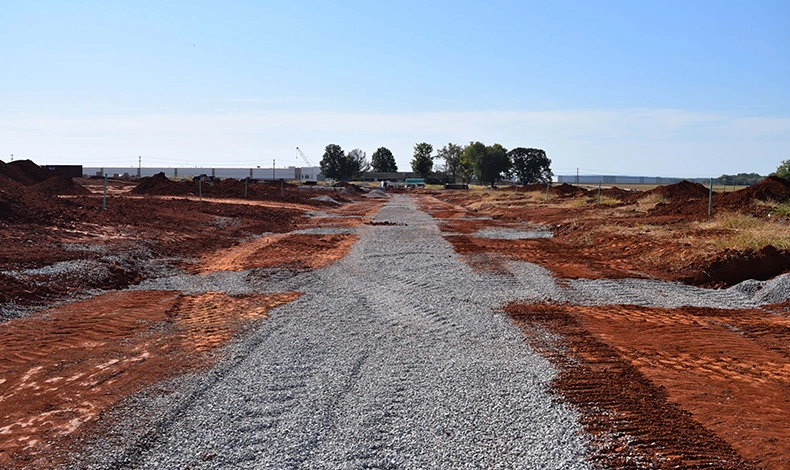
Red dirt is commonly used for grading projects in North Alabama, although its quality and clay content can vary. Contractors need to check whether the material is suitable for the intended load and site conditions. Raising a lawn requires different preparation than building up ground beneath a parking area.
Why Screened Topsoil Belongs in Landscaping Projects
Screened topsoil passes through equipment that removes many oversized rocks, roots, and debris. The resulting material is easier to spread across lawns, planting beds, and landscaped areas. Its finer texture also makes it easier to establish consistent planting depths.
Screening does not automatically guarantee fertile soil, however. Nutrient levels, organic matter, drainage, and pH still influence plant growth. Buyers comparing soil for sale should consider the intended plants and whether the material needs compost or other amendments. Topsoil works best near the surface rather than as deep structural fill.
How Soil Texture Affects Each Type of Project
Clay, sand, and silt behave differently when exposed to moisture and pressure. Clay-rich soil can hold together well at suitable moisture levels, but excessive water makes it difficult to compact and work with. Sandy material drains more freely, although poorly graded sand may shift or settle without proper compaction.
Soil texture also affects landscaping. Heavy clay may restrict root growth and drainage, while very sandy topsoil can dry quickly and lose nutrients through leaching. Contractors compare these characteristics before selecting material for backfilling, grading, or planting. A soil that performs well beneath a driveway may be unsuitable for a vegetable garden.
Using the Right Material Around Drainage Structures
Drainage installations often require more than ordinary fill dirt. French drains and certain underground drainage systems use clean crushed stone or specified granular materials to create spaces for water movement. Surrounding soil must remain separated from these drainage layers to prevent fine particles from clogging them.
Backfilling around retaining walls also requires careful material selection. Granular backfill may help relieve water pressure when combined with a properly designed drainage system. Contractors must follow the project’s specifications because excessive moisture behind a wall can lead to movement or structural damage.
Calculating Dirt Quantities Before Scheduling Delivery
Bulk soil orders depend on the volume of space that needs filling. Contractors calculate the approximate quantity by measuring length, width, and average depth, then converting cubic feet into cubic yards. Irregular areas may require several measurements because existing ground elevations can vary considerably.
Compaction also changes the quantity needed. Loose fill occupies more space than properly compacted material, so suppliers and contractors account for the expected reduction in volume. Searches for dirt delivery near me can help locate nearby suppliers, but customers should confirm material availability, truck capacity, and whether pricing uses tons or cubic yards.
Keeping Different Soil Materials Separate on the Job Site
Projects involving backfilling, grading, and landscaping may require several material deliveries. Mixing screened topsoil with rocky fill can make planting difficult, while placing organic-rich soil beneath structural areas may cause settlement. Separate unloading locations help preserve each material’s intended properties.
Coordinating rock and dirt delivery also makes sense when construction involves drainage stone, compactable fill, and topsoil. Contractors can schedule deliveries according to the work sequence rather than storing unnecessary piles around the property. Clear access routes and designated dumping areas reduce handling and prevent materials from obstructing equipment.
Finding Bulk Materials for Different Ground Preparation Needs
Property owners searching for rock and dirt delivery near me should identify whether their project involves structural backfill, surface grading, or landscape preparation. Knowing the required material type helps suppliers recommend suitable available products and estimate delivery quantities. Large construction projects may also require soil testing or engineering specifications before placing an order.
For projects throughout Madison and nearby North Alabama communities, North Alabama Rock and Dirt supplies bulk fill dirt, red dirt, screened topsoil, gravel, and crushed stone. Its material delivery services offer homeowners, landscapers, and contractors practical options for obtaining soil and aggregates for backfilling, grading, drainage preparation, and landscaping work