

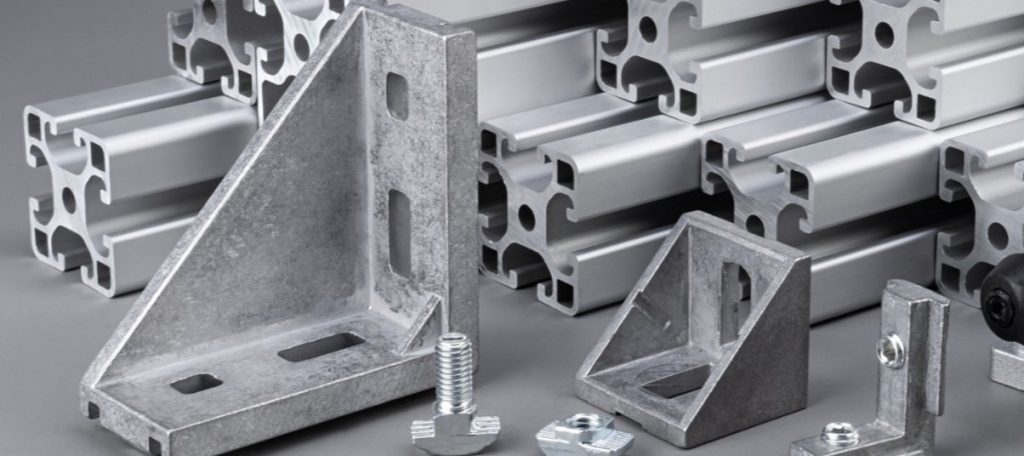
Modern robotic work cells move faster, carry heavier loads, and operate longer hours than ever before. While speed and automation improve production output, constant motion also places repeated stress on structural systems supporting robotic equipment. That ongoing stress explains why manufacturers increasingly rely on aluminum framing material to reduce vibration-related fatigue before it affects long-term machine stability and production consistency.
Robotic Acceleration Forces Quietly Wear Down Weak Structural Frameworks
Industrial robots create continuous acceleration and deceleration forces during normal operation. Over time, those repeated movements place enormous strain on mounting structures, support frames, guarding systems, and automation platforms. Weak frame designs often develop loosened connections, alignment issues, and structural fatigue long before major failures become visible.
Many engineers working with MiniTec Aluminum Framing focus on load distribution early in the design process to reduce stress concentration across robotic work cells. Properly designed extruded aluminum T slot systems help absorb operational forces more evenly throughout the structure. That balanced load management becomes especially important in high-cycle automation environments where robotic systems repeat identical movement patterns thousands of times every shift.
Frame Resonance Can Disrupt Robotic Precision More Than Expected
Vibration problems inside robotic work cells rarely stay isolated to one component. Harmonic resonance traveling through the frame structure can affect robotic positioning accuracy, sensor performance, and tooling consistency. Even small vibrations may eventually influence weld quality, part placement accuracy, or automated inspection reliability.
In many automated production environments, T slot extrusion systems help engineers strengthen critical support zones without significantly increasing overall frame weight. Modular reinforcement methods allow designers to improve rigidity while maintaining flexibility for future equipment adjustments. MiniTec extruded aluminum framing systems also make it easier to fine-tune structural layouts when vibration testing reveals areas requiring additional support or modified load paths.
Poor Connection Design Often Accelerates Structural Fatigue Problems
Robotic systems generate repetitive motion cycles that gradually expose weaknesses in poorly assembled frames. Fasteners loosen, unsupported sections flex, and vibration transfers through the structure unevenly when connection quality is overlooked during installation. Over time, those issues can shorten equipment lifespan and increase maintenance demands.
Experienced automation integrators using T slot aluminum extrusion typically prioritize connection stability just as heavily as profile selection. High-quality fastening systems, properly aligned joints, and reinforced corner assemblies help robotic work cells maintain structural integrity during continuous operation. Additionally, many aluminum framing kit solutions simplify assembly precision by using modular hardware engineered specifically for industrial automation applications.
Lightweight Structural Design Helps Control Dynamic Motion Stress
Heavy support structures do not automatically create stronger robotic work cells. Excessive structural mass may increase inertia, transfer vibration differently, and complicate machine positioning across manufacturing floors. Engineers often seek a balance between rigidity, weight control, and operational flexibility when designing automated systems.
Because of that balance, aluminum framing material continues gaining attention in robotic automation environments requiring both durability and adaptability. MiniTec Aluminum Framing provides strong structural support while remaining lighter than many traditional welded steel alternatives. That lower mass helps reduce dynamic stress transfer during rapid robotic movement while still supporting guarding systems, conveyors, sensors, cable management, and end-of-arm tooling platforms.
Strategic Reinforcement Placement Reduces Long-Term Structural Weakness
Not every section of a robotic work cell experiences the same operational stress. High-load robotic mounting zones, transfer stations, and conveyor transition points often absorb far greater force than secondary structural areas. Effective frame design therefore depends on reinforcing targeted locations instead of simply increasing profile size across the entire structure.
Many engineers working with MiniTec extruded aluminum framing systems use cross-bracing, gussets, and additional profile supports to strengthen critical movement zones. T slot extrusion layouts also allow structural modifications without major redesign work when robotic payloads or production demands increase later. That flexibility helps manufacturers extend equipment lifespan while minimizing costly structural rebuilds inside active production facilities.
Automation Expansion Requires Structural Systems Built For Adaptability
Manufacturing environments rarely stay static for long. Robotic work cells often evolve as production demands change, requiring new guarding systems, sensors, conveyors, vision systems, or collaborative robotic integrations. Rigid welded structures can make future modifications expensive, time-consuming, and disruptive to operations.
Meanwhile, extruded aluminum T slot systems allow manufacturers to adapt automation layouts more efficiently as operational requirements shift. Additional framing sections, support brackets, cable trays, and accessory components can integrate directly into existing structural channels. That modular capability makes aluminum framing kit systems especially valuable in facilities where robotic automation continues expanding alongside evolving production goals and changing manufacturing workflows.
Long-Term Robotic Reliability Depends On Structural Engineering Discipline
Robotic work cells operate under constant motion, repeated stress cycles, and demanding production schedules. Reducing vibrational fatigue requires more than simply installing stronger equipment. Structural design, connection integrity, reinforcement placement, and load management all contribute directly to long-term automation reliability and precision.
Across advanced manufacturing environments, T slot aluminum extrusion continues helping engineers build robotic systems capable of maintaining stability under continuous operational stress. Minitec Solutions helps reduce vibrational fatigue in robotic work cells by providing rigid yet lightweight aluminum framing systems that improve structural stability, absorb repetitive motion stress, and support long-term automation reliability.