

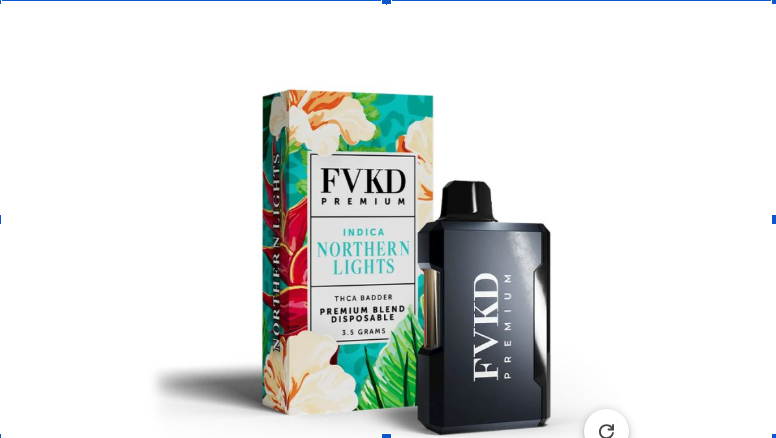
Earthy cannabis profiles can appeal to adults who prefer deeper, herbal, woody, pine-like, or naturally aromatic characteristics rather than strongly sweet or fruit-forward notes. These profiles can be shaped by genetics, terpenes, cultivation, extraction, formulation, and storage. A product name may suggest a direction, but the finished profile depends on several characteristics working together. Looking at flavour, aroma, terpene information, format, cannabinoid content, quantity, and testing information provides a more complete picture for adults comparing different options.
What Defines an Earthy Cannabis Profile?
Earthy is a broad sensory description rather than one specific flavour. It can include soil-like, woody, herbal, musky, pine-like, or naturally rich impressions. Some products may combine these notes with citrus, spice, sweetness, or floral undertones. A product’s aroma can influence how its flavour is perceived. Product descriptions may therefore use several terms to communicate a broader profile. Individual perception varies, so descriptions are best treated as guidance rather than an exact prediction. Storage and freshness can also influence aroma and flavour.
Understanding the Kush Influence
Kush-inspired profiles are commonly associated with earthy, herbal, woody, and sometimes spicy characteristics. The term can refer to a broader family of cannabis genetics and should not automatically describe identical characteristics across every product carrying the association. Genetics can provide a foundation for aroma and flavour, while cultivation and processing can influence the final result. Products with related genetic backgrounds may therefore differ in terpene composition and sensory presentation. For adults comparing Kush-inspired products, the product description, flavour, aroma, extract type, and available terpene data provide useful context.
Looking at the Alien Kush Profile
The alien kush product listing provides an example of how a named profile can be presented within a product collection. Rather than treating the name as a complete description, adults can examine the listed characteristics and format before forming expectations.
- Aroma: Review the manufacturer’s description of the dominant aromatic notes.
- Flavour: Consider whether earthy characteristics are accompanied by herbal, sweet, citrus, or other notes.
- Terpenes: Review available information about aromatic compounds.
- Format: Identify whether the product is flower, concentrate, or another format.
- Cannabinoids: Check the stated cannabinoid content separately from flavour descriptions.
- Quantity: Compare the listed amount when evaluating different products.
The Importance of Terpenes
Terpenes are naturally occurring aromatic compounds found in cannabis and numerous other plants. They contribute to cannabis aroma and can influence flavour characteristics. Different terpene combinations can create earthy, woody, citrus, floral, pine, or spicy directions. This makes terpene information useful when comparing products. Instead of assuming that all earthy products will smell or taste the same, adults can review the available information for each product. Terpenes should remain separate from potency. A particular aroma does not indicate a specific cannabinoid concentration. Cannabinoid content should be assessed using the product label and relevant testing information.
Earthy Versus Sweet Profiles
When comparing products, consider:
- Earthy: Often associated with herbal, woody, pine, or soil-like impressions.
- Sweet: May suggest candy, fruit, creamy, or dessert-inspired characteristics.
- Citrus: Often associated with bright lemon, orange, or grapefruit notes.
- Floral: Can include delicate or aromatic flower-like impressions.
- Herbal: May overlap with earthy, botanical, or green characteristics.
Why Product Format Matters
The physical format can influence how a product is stored, handled, and experienced. Flower, live rosin, disposable products, and infused formats each have different physical characteristics. The FVKD Northern Lights product listing, for example, represents a named cannabis product that should be evaluated according to its own specifications rather than assumed to share identical characteristics with every other product associated with Northern Lights.
Format is especially relevant when comparing products with different extraction methods. A concentrate can have a different texture and aromatic presentation from flower, while a disposable combines the extract and device into one format.
What to Consider Before Choosing
Adults comparing cannabis products can use a consistent checklist to keep the evaluation focused.
- Read the full product description: Look beyond the product name for flavour, aroma, and format details.
- Check cannabinoid information: Review the stated cannabinoid content rather than estimating potency from appearance or flavour.
- Review terpene information: Where available, terpene details can add context to aroma and flavour.
- Consider product quantity: Compare the stated amount when evaluating different options.
- Look for testing information: Laboratory documentation can provide additional information about product composition.
- Follow storage instructions: Keep products in suitable conditions and away from children and pets.
- Check local requirements: Cannabis laws, purchase restrictions, and age requirements differ by jurisdiction.
This process makes product comparisons more structured.
Understanding Individual Sensory Preference
No flavour profile is universally preferred. An earthy character may appeal to someone who enjoys herbal or woody notes, while another adult may prefer sweeter or fruit-forward characteristics. Sensory perception can also change depending on context. Aroma, temperature, storage, and individual sensitivity may influence how a product is perceived. Product descriptions indicate the intended profile rather than guaranteeing perception. Reviewing specifications alongside flavour descriptions provides balance.
Bringing the Profile Together
The alien kush profile can be understood by considering its earthy and Kush-inspired associations alongside the specific product information provided by the manufacturer. Genetics, terpenes, extract type, formulation, and storage can influence the final characteristics. The fvkd northern lights listing demonstrates the same principle: a recognised product name provides an identity, but the complete listing is needed to understand the actual format and specifications. Adults can consider aroma, flavour, composition, format, quantity, and testing together rather than judging the name alone.
Conclusion
Earthy cannabis profiles can offer a layered combination of herbal, woody, pine-like, spicy, or naturally rich characteristics. Kush-inspired associations can provide useful context, but individual product specifications remain essential when assessing the finished product. FVKD Exotics offers different product profiles and formats, allowing adults to compare characteristics according to their own preferences. Reviewing flavour descriptions alongside terpene information, cannabinoid content, format, testing, quantity, and storage guidance provides a more complete basis for understanding what distinguishes one product from another.